Food & Wine put together a list of the best ways to eat and drink your way through Charleston. Sip History landed at number five. The full piece is on Food & Wine here. What follows is the short version, plus links to the other restaurants and experiences that made the list.
What Food & Wine wrote.
The piece, The Best Culinary Experiences in Charleston, ranks the city’s most distinctive food and drink experiences for travelers. It runs the gamut from chef-driven tasting menus to oyster cruises to a couple of bartending things, and Sip History is one of those bartending things.
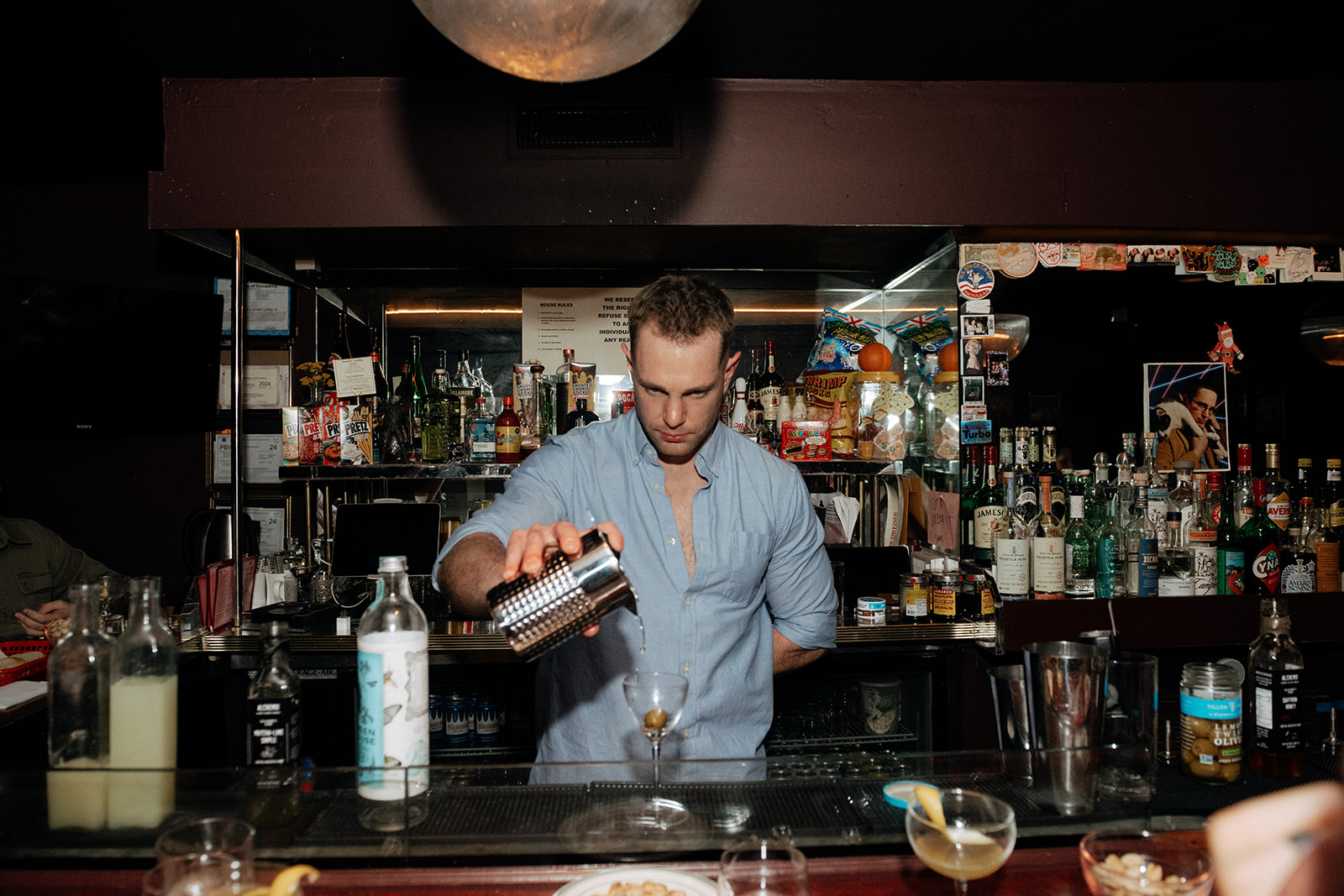
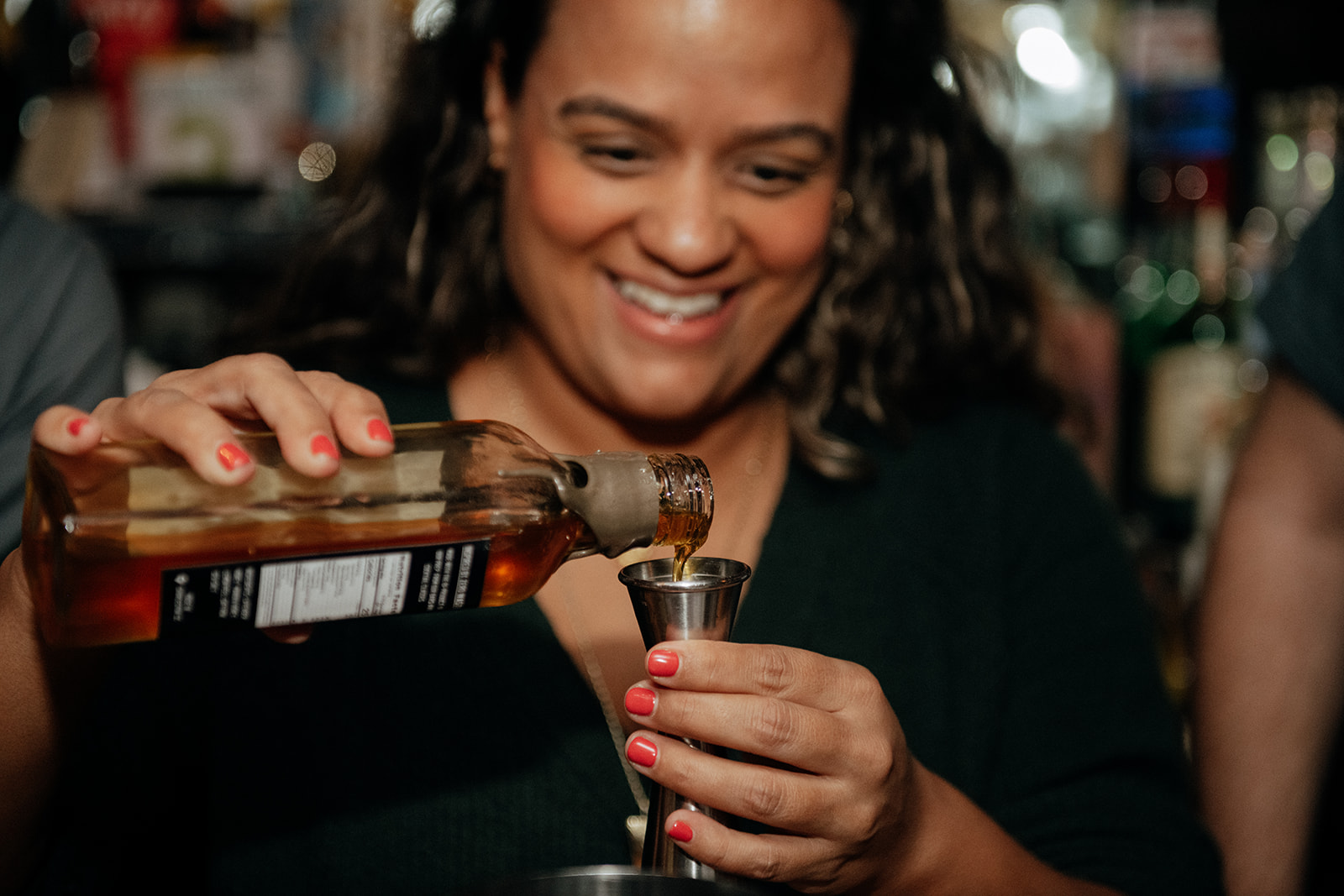
Their blurb leads with the line about Charleston’s food scene overshadowing its drinking heritage, then walks through the speakeasy class on King Street — two hours of storytelling and hands-on bartending, three cocktails per guest, full menus pulled from specific decades in American cocktail history. They put the class next to James Beard–nominated kitchens. We’ll take that company.
Who else made the list.
The full ranking is worth reading at the source. The most-talked-about entries, with links to where to actually book them:
- Husk — Sean Brock’s flagship at 76 Queen Street. Anything south of the Mason-Dixon owes some part of its current self to what happened in that kitchen. Reserve weeks out.
- FIG — Mike Lata’s quiet powerhouse on Meeting Street. Forty seats, no music, the kind of cooking that makes other cooks shut up. Book six weeks out for prime seatings.
- Leon’s Oyster Shop — Upper King chargrilled oysters and the famous fried chicken. The wait is real; the room is loud; the chicken’s actually good.
- 167 Raw — the original spot for the cult lobster roll. Half a wine list on a chalkboard. Walk-ins only.
- The Ordinary — Mike Lata’s second restaurant, a seafood hall in the old Federal bank building on Upper King. Worth the photo. More worth the food.
- Charleston Wine + Food — the city’s annual food festival, held every March. The piece names it as a season-spanning recommendation. Tickets sell out fast.
(Sip History is at #5, between two of those.)
Why this kind of ranking is rare for a cocktail class.
National food press tends to skip bars when ranking culinary experiences. Cocktail programs get covered separately, usually in Imbibe or Punch, rarely alongside the chefs. Food & Wine putting Sip History in the same list as Husk and FIG is a small but specific kind of compliment — they’re calling the class a culinary experience, not a bar gimmick. That tracks with how the class actually runs: technique-first, story-rich, hospitable.
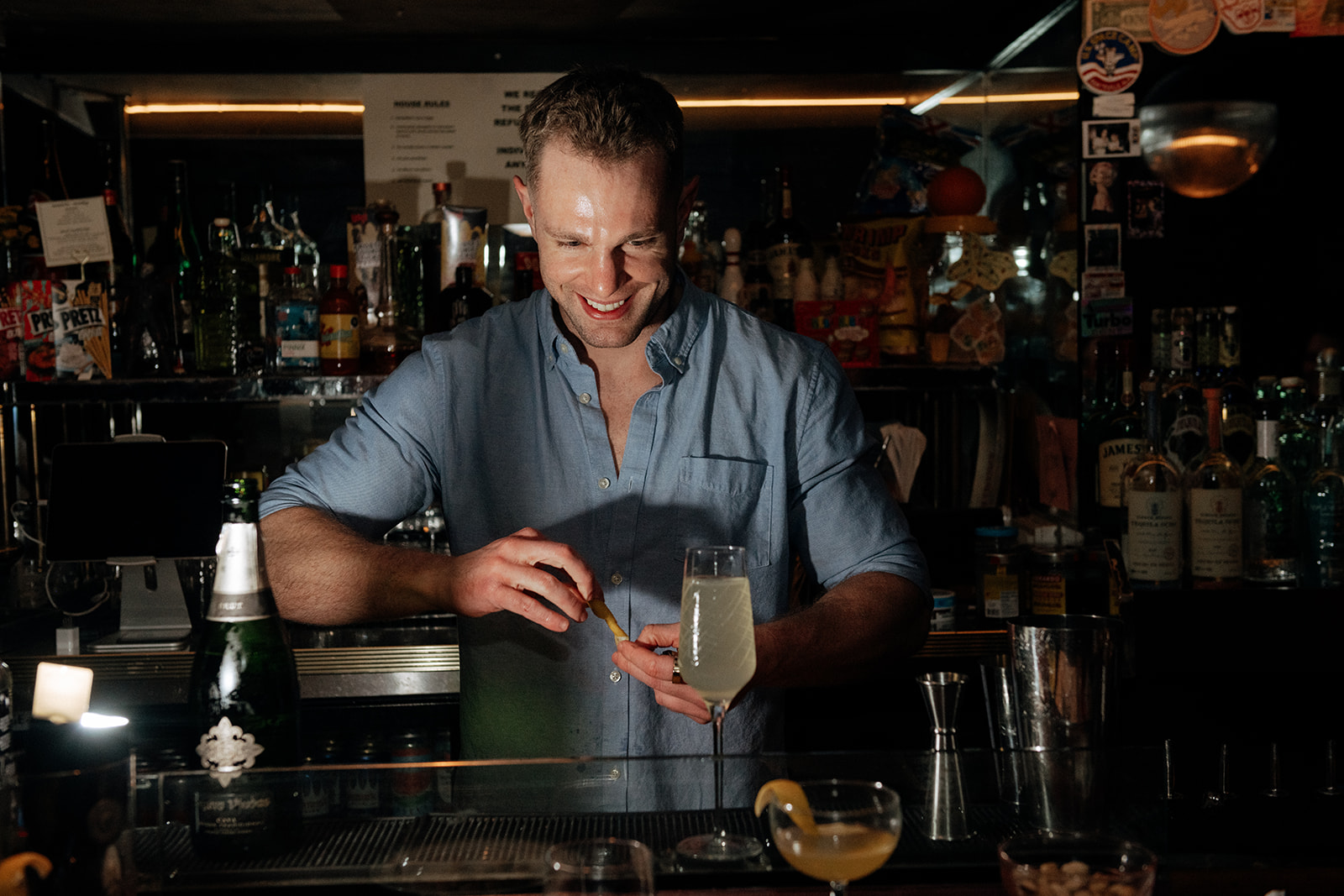
The hosts — the people pouring at the front of the room — are working bartenders. Most have time on Charleston cocktail lists you’ve already heard of. The structure of the class is closer to a wine class than to a craft activity: there’s a tasting framework, there’s vocabulary, there’s a reason for every step.
What the class is, in one paragraph.
Two hours, three cocktails, snacks, all ingredients and equipment. Held in a downtown Charleston speakeasy. Capped at fourteen. Private buyouts available up to eighteen. Bookable directly — no third-party fees — on the Charleston booking page. 21+. Mocktails available on request.
Read the article.
The full Food & Wine piece is here: The Best Culinary Experiences in Charleston. It’s a useful travel guide regardless of where Sip History lands on the list. If you’re planning a Charleston trip and only have time for two meals, the other entries above are the strongest moves.